

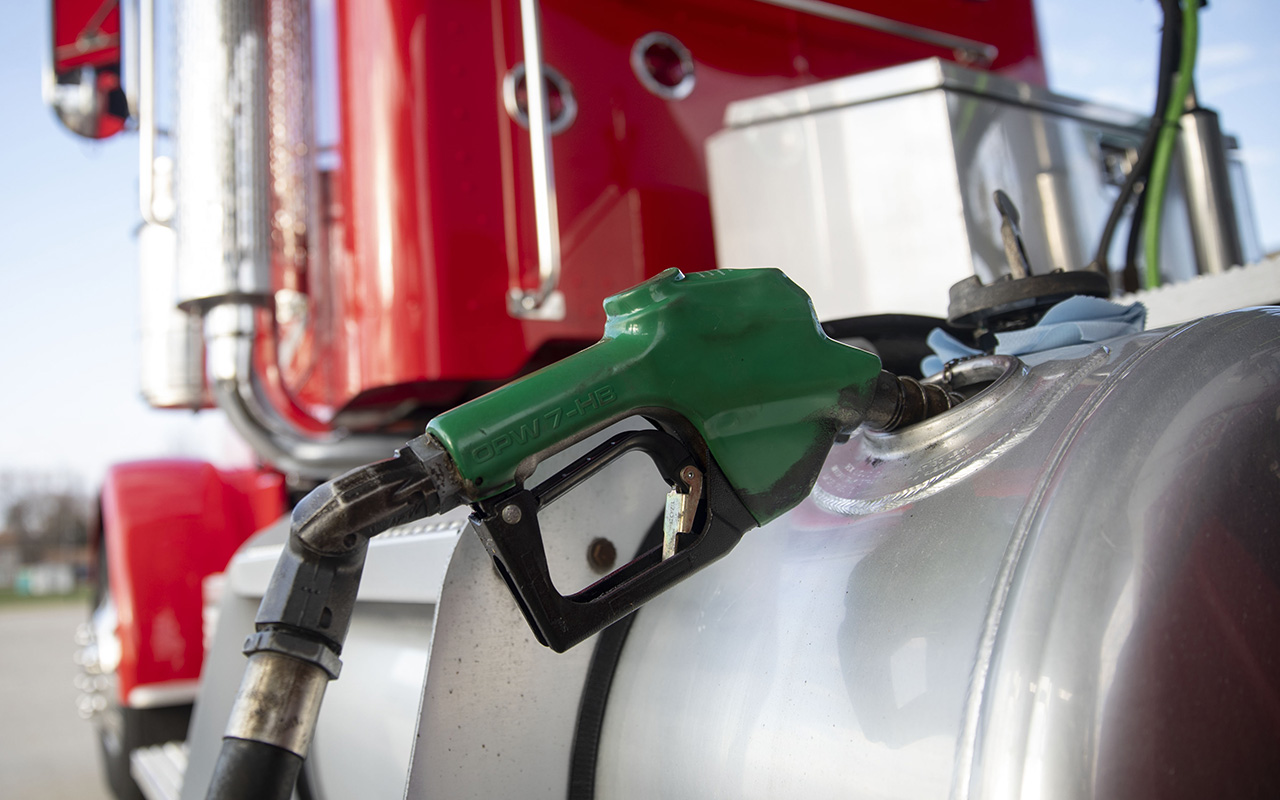
For Zambia’s haulage sector, which serves as a vital hub along key regional trade corridors, fuel constitutes the single largest operational expense—often exceeding 40% of total vehicle running costs. Given the persistent Fuel Price Volatility driven by external oil markets and a fluctuating Kwacha, maximizing Truck Fleet Efficiency is not merely a goal, but a matter of survival for transport operators. Significant savings can be realized by focusing on simple yet systematic changes in driver behaviour and fleet management.
These five strategies offer a roadmap for long-distance truck drivers and fleet managers to take immediate control of their fuel consumption and secure a competitive edge in Cross-Border Logistics.
Key Strategies for Maximizing Truck Fleet Efficiency
1. Implement Strict Eco-Driving Training
Driver behaviour is the single biggest factor influencing fuel consumption. Eco-Driving is a set of techniques focused on smoothness and consistency. This includes avoiding sudden acceleration and hard braking, maintaining a constant speed (ideally between 88 and 105 km/h, or 55-65 mph), and using progressive shifting to keep the engine in its most efficient RPM band. Importantly, drivers must be trained to anticipate traffic and road gradients, utilizing the vehicle's momentum to coast when safely possible. Proper Eco-Driving can reduce fuel use by 5% to 15%.
2. Prioritize Preventative Maintenance and Aerodynamics
A neglected truck is a fuel-guzzling machine. Rigorous Preventative Maintenance is an investment, not a cost. Critical checks include ensuring correct tire pressure (under-inflation can increase fuel use by several percent and severely reduce tire life) and proper wheel/axle alignment. Furthermore, maintaining optimal Truck Fleet Efficiency requires managing air resistance. Simple aerodynamic aids like roof spoilers and side fairings—especially important given the high speeds on trunk roads—can yield fuel savings of up to 10% on long hauls.
3. Leverage Vehicle Telematics and Real-time Monitoring
Modern Vehicle Telematics systems are essential tools. These systems provide real-time data on everything from fuel consumption rates to engine idling time and driver performance. Fleet managers can use this data to identify and coach drivers who exhibit inefficient habits, track fuel pilferage, and detect mechanical issues (like clogged filters or brake drag) before they cause a breakdown or significantly worsen fuel consumption. This data-backed approach drives targeted improvements in Truck Fleet Efficiency.
4. Optimize Route Planning and Reduce Idling
Intelligent route planning, which utilizes digital mapping systems, does more than simply shorten distances. It allows operators to factor in road conditions, avoid chronic Traffic Congestion in urban choke points like Lusaka and Ndola, and plan stops at pre-negotiated or more affordable refueling locations, a crucial element in reducing the impact of Fuel Price Volatility. Minimizing idle time is equally important; a heavy-duty diesel engine can consume over two litres of fuel per hour while idling, making it necessary to implement a strict engine-off policy for stops longer than three minutes.
5. Control Load Management and Specification
Load planning directly affects fuel use. Overloaded trucks face fines and use significantly more fuel. Proper load distribution ensures the vehicle remains balanced, which reduces tire wear and improves handling. For Cross-Border Logistics operators who frequently purchase vehicles, choosing trucks specified with fuel-efficient powertrains, such as modern engines designed for high torque at lower RPMs, provides inherent Truck Fleet Efficiency that lasts the entire lifespan of the asset. For sourcing reliable vehicles and parts suitable for challenging routes, platforms like Auto24 offer useful procurement resources.
Given the challenging trade-off between speed and savings on Zambia's long-distance routes, which strategy do you believe is harder for the average truck driver to adopt consistently: adhering to Eco-Driving speed limits or minimizing engine idling time? Share your perspective below!