

For Zambian motorists and businesses, South Africa remains an important market for sourcing used and new vehicles. Buyers can find a wide selection of popular pickups, SUVs, and passenger cars, but bringing a vehicle across the border involves more than purchasing and transporting it.
Anyone planning to import a car from South Africa to Zambia needs to consider vehicle verification, South African export requirements, cross-border transportation, Zambian customs clearance, and the applicable taxes and fees.
Choose and Verify the Vehicle
The first stage is finding a suitable vehicle and confirming its history before making payment. Buyers can purchase from a dealership, sourcing company, or another established seller.
Popular vehicles sourced from South Africa include Toyota Hilux, Toyota Land Cruiser, Nissan NP300, Isuzu D-Max, and Ford Ranger. These models are commonly used for commercial, agricultural, mining, and everyday driving applications.
Check the Vehicle Before Payment
Before deciding to import a car from South Africa to Zambia, buyers should verify the vehicle identification number, engine details, ownership documents, and registration history.
It is also important to establish whether the vehicle has outstanding finance or has previously been written off. Matching the vehicle's physical identification numbers with its documentation can help prevent problems during export and customs clearance.
Complete South African Export Requirements
Once the vehicle has been purchased, the necessary export procedures in South Africa must be completed. Police clearance is an important part of the process, as the vehicle needs to be inspected and its identification details verified.
The export paperwork should also be prepared carefully. Differences between the vehicle, invoice, registration documents, and buyer information can result in delays.
Why Police Clearance Matters
Police clearance helps authorities verify that the vehicle is not stolen and that its identifying information is consistent with the relevant records.
For anyone planning to import a car from South Africa to Zambia, completing this process before the vehicle reaches the border is an important part of preparing for export.
Arrange Transport to Zambia
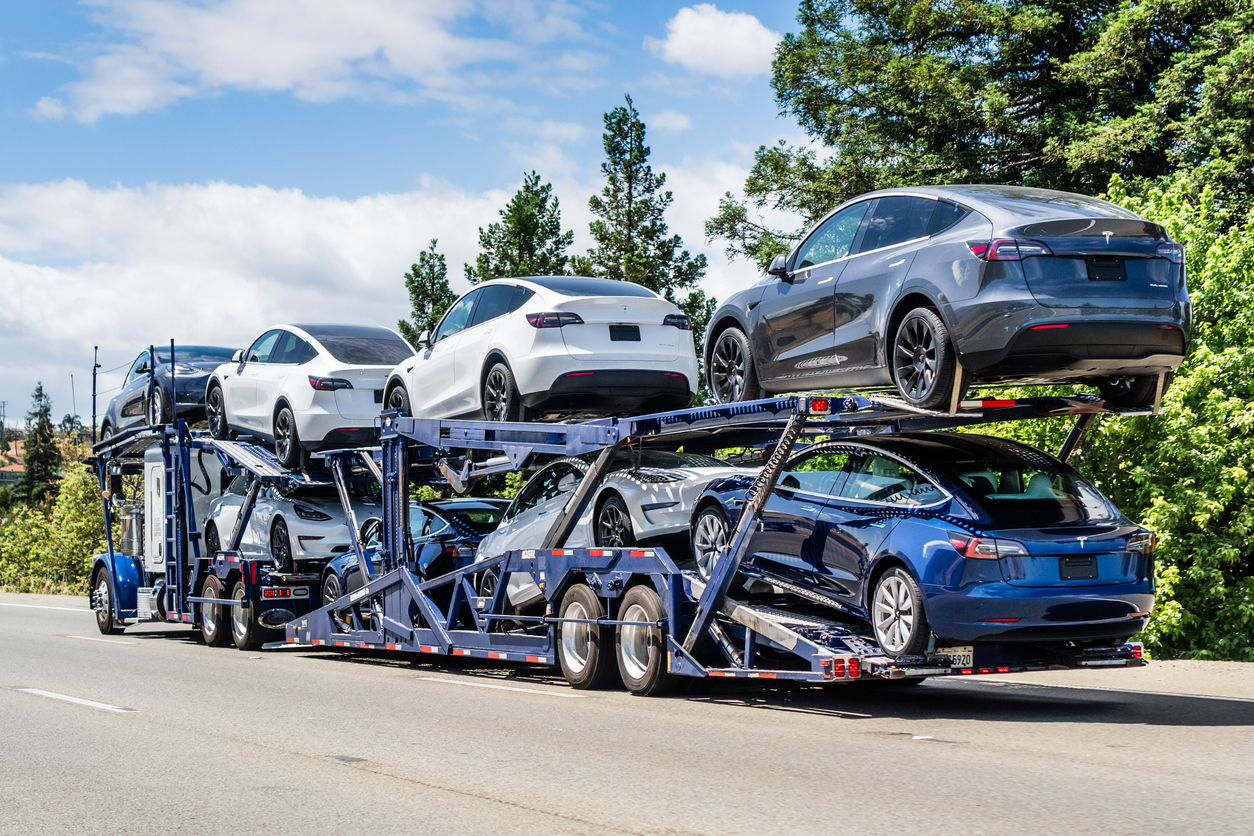
Road transportation is commonly used for vehicles travelling from South Africa to Zambia because the countries are connected by established regional road networks.
Depending on the transport arrangement, the vehicle may travel through neighbouring countries before reaching Zambia. The final route and transit requirements can vary according to the logistics provider and border crossing being used.
Transport costs should be included in the overall import budget rather than treated as a separate expense after purchase.
Clear the Vehicle Through Zambian Customs
After the vehicle reaches Zambia, customs clearance must be completed through the relevant authorities. Buyers can handle the process themselves where permitted or appoint a clearing agent to manage the documentation and customs procedures.
Documents can include the vehicle invoice or bill of sale, export paperwork, police clearance documentation, identification, and other customs forms required for the specific import.
Understand Import Taxes and Duties
The cost of Import Car from South Africa to Zambia does not end with the vehicle's purchase price. The final amount can include transport, insurance, customs charges, applicable import duty, VAT, and other government fees.
The exact tax liability depends on factors such as the vehicle's customs value, classification, engine characteristics, age, and the regulations applicable at the time of import.
Because tax rules and assessments can change, buyers should confirm the current requirements with the Zambia Revenue Authority or a licensed clearing professional before purchasing.
How Long Does the Process Take?
The timeline for a South Africa-to-Zambia vehicle import depends on vehicle preparation, documentation, transport schedules, and border conditions.
Police clearance and export paperwork can require several working days, while road transportation adds additional time. Border congestion or incomplete documentation can extend the process.
A buyer planning to import a car from South Africa to Zambia should therefore avoid arranging travel or registration around an overly tight estimated delivery date.
Common Problems to Avoid
Incorrect documentation is one of the easiest ways to create delays. VIN numbers, ownership information, invoices and registration details should be checked carefully before the vehicle leaves South Africa.
Another potential problem is underestimating the total import cost. Purchase price, transport, customs charges and taxes can significantly change the final amount paid for the vehicle.
Working with experienced export and customs professionals can also help first-time importers understand the procedures and reduce paperwork errors.
For more automotive news, vehicle reviews and developments across African markets, readers can explore AfriCarGroup.
Final Checklist for Zambian Buyers
Before arranging an import, buyers should confirm:
-
Vehicle ownership and registration history
-
VIN and engine number consistency
-
Police clearance requirements
-
South African export documentation
-
Transport arrangements
-
Zambian customs requirements
-
Applicable duties and taxes
-
Registration requirements after clearance
Conclusion
To import a car from South Africa to Zambia successfully, buyers need to plan every stage from vehicle selection to final customs clearance. Verifying the vehicle, completing police clearance, preparing accurate export documents, and arranging reliable transportation can help prevent avoidable delays.
Most importantly, buyers should calculate the complete landed cost before purchasing. Understanding duties, taxes, transport, and border-related expenses gives motorists and businesses a clearer picture of what the vehicle will actually cost once it reaches Zambia.
Are you planning to import a car from South Africa to Zambia in 2026? Tell us which vehicle you are considering and what part of the import process you want to know more about.