


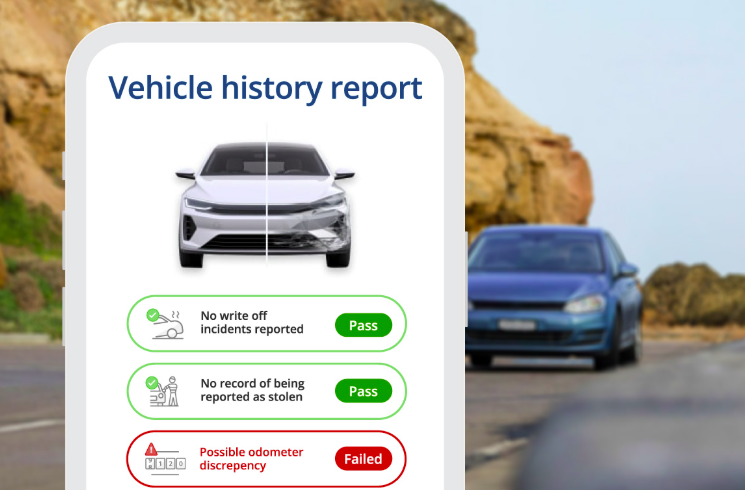
When buying a used car in Zambia, a vehicle history report is one of the most powerful tools you can use to avoid buying a lemon. It gives you insights into the car’s past—accidents, ownership changes, mileage, import status, and more. This guide explains how to interpret a vehicle history report like a pro and ensure you're making a smart, informed purchase.
1. What Is a Vehicle History Report?
A vehicle history report is a document that compiles data from government agencies, insurance companies, auction houses, and service centers. It’s often linked to the car's VIN (Vehicle Identification Number) and includes crucial information about the vehicle’s background.
2. Where to Get a Vehicle History Report in Zambia
There are several sources:
-
RTSA Portal for Zambian-registered vehicles
-
Autocheck and Carfax for imported vehicles (mainly from Japan, UK, South Africa, and the US)
-
Ask the seller to provide one if the vehicle was recently inspected
You can also ask for assistance via caryandi.com, which partners with verification experts.
3. Key Sections to Review
a. Vehicle Identification Information
-
Make, model, year, body style
-
VIN and chassis number
-
Color and fuel type
Ensure all these match the physical vehicle and the White Book (registration document).
b. Ownership History
-
Number of previous owners
-
Duration of each ownership
-
Country and location of registration
A car with frequent ownership changes in a short period may raise red flags.
c. Accident and Damage Reports
-
Reported accidents and severity
-
Airbag deployment
-
Flood or fire damage
Look for repeated damage in the same area—it could mean poor repair quality.
d. Odometer Readings and Mileage Records
-
Consistent mileage increase over time
-
Any rollback or discrepancy flags
Sudden mileage drops could indicate tampering. Compare with dashboard odometer.
e. Title and Legal Status
-
Clean, salvage, rebuilt, or stolen status
-
Any liens or financial claims on the vehicle
Avoid cars with salvage or rebuilt titles unless they’ve passed a certified inspection.
f. Service and Maintenance Records
-
Oil changes, timing belt replacement, brake repairs
-
Regular servicing indicates good ownership
Check if the services were done at authorized garages or dealerships like Toyota Zambia or CFAO Motors Zambia.
g. Import and Export Records
-
Original country of manufacture
-
Shipping and customs clearance data
Helps verify if the car was legally imported into Zambia.
4. Red Flags to Watch Out For
-
Accident history with major damage
-
Title marked salvage or rebuilt
-
Odometer rollback or inconsistencies
-
Missing VIN/chassis numbers
-
Long gaps in maintenance history
-
Car reported as stolen
5. Tips When Using a Vehicle History Report
-
Always cross-check info with the seller
-
Use it alongside a professional mechanic inspection
-
If the seller refuses to provide one, consider walking away
-
Verify the VIN in at least two locations on the car
6. Conclusion
A vehicle history report isn’t just paperwork—it’s your shield against scams, hidden repairs, and illegal imports. In Zambia’s growing second-hand vehicle market, smart buyers rely on this tool to make confident decisions. Always read the report thoroughly and consult professionals when in doubt.
For more buying guides, inspection tips, and verified car listings, visit caryandi.com.