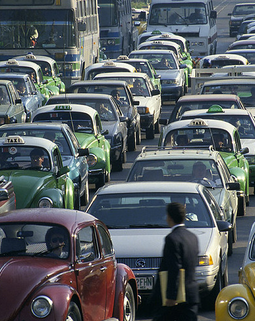


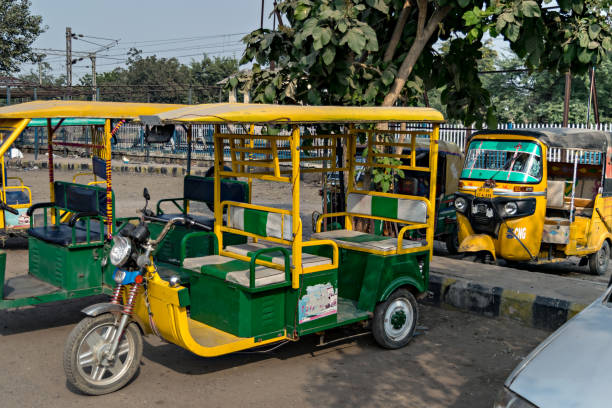
Lusaka’s rapid population growth is putting immense pressure on its main roads, especially Great North and Great East. As suburbs expand and economic activity grows, traffic congestion worsens during rush hours. The result — longer commutes, rising fuel use, and growing frustration. Introducing 2 and 3 wheelers in Zambia could be a game-changing move to ease congestion, boost access, and improve transport efficiency across cities.
Reaching Underserved Areas
Not all neighborhoods in Lusaka or its outskirts are well-served by buses or taxis. 2 and 3 wheelers in Zambia can fill this gap by connecting people from remote or newly developed areas to workplaces, schools, and healthcare facilities. Their agility allows them to navigate rough or narrow roads where traditional vehicles can’t operate — promoting inclusion and accessibility for all citizens.
Faster Movement in Congested Traffic
Anyone who’s experienced Lusaka’s rush hour knows how challenging it can be to move even short distances. 2 and 3 wheelers in Zambia can weave through gridlocked traffic with ease, saving commuters valuable time. They are particularly effective for short-distance, time-sensitive trips such as getting to work or delivering goods — making them ideal for a city that’s constantly on the move.
Affordable and Accessible Transport
As the cost of living continues to rise, affordability has become a key concern. 2 and 3 wheelers in Zambia cost less to operate and maintain than cars or minibuses, translating into lower fares for passengers. This makes them an ideal transport solution for students, traders, and workers who rely on daily commutes.
Drivers and business owners can also explore vehicle options and financing opportunities on Auto24, a trusted platform for automotive solutions across Africa.
Job Creation and Economic Empowerment
Legalizing 2 and 3 wheelers in Zambia would open thousands of job opportunities, especially for young people. Similar sectors in Kenya and Uganda support millions of livelihoods. With proper training, licensing, and safety regulations, Zambia could establish a structured and profitable industry that benefits both operators and commuters.
Supporting Green and Sustainable Mobility
2 and 3 wheelers in Zambia consume less fuel and emit fewer greenhouse gases than larger vehicles. As Zambia advances its green economy agenda, promoting fuel-efficient or electric models aligns perfectly with national sustainability goals. Encouraging this form of transport supports cleaner cities and contributes to a healthier environment.
Conclusion
Zambia stands at a crossroads in urban transport planning. Embracing 2 and 3 wheelers in Zambia as part of a modern mobility system can reduce traffic congestion, cut travel times, create jobs, and promote environmental sustainability. With thoughtful policies and proper regulation, these vehicles can transform urban mobility for millions.
Do you think 2 and 3 wheelers in Zambia could be the key to smoother city travel? Share your thoughts in the comments!