

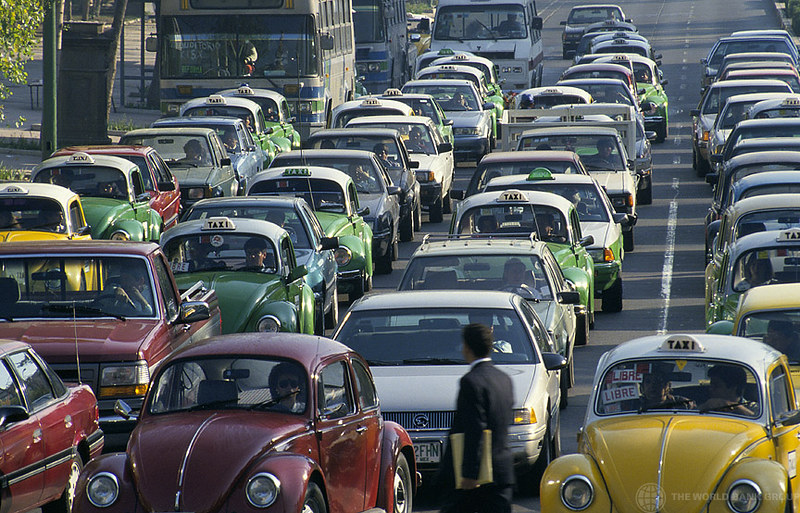
The rapid growth of Zambia’s capital has brought economic opportunity, but it has also created one of the region’s most challenging transportation problems. Today, Lusaka Traffic congestion has become a daily reality for thousands of commuters navigating the city’s crowded streets.
Every morning, drivers in Lusaka face long queues of vehicles stretching across major roads such as Great East Road and Cairo Road. A commute that once took 30 minutes can now take up to three hours during peak periods. This surge in Lusaka Traffic is not only the result of population growth but also the unexpected influence of climate change.
Extreme weather patterns, changing rainfall cycles, and rising temperatures are affecting transport systems in ways city planners had not fully anticipated. Flooding, damaged roads, and energy shortages are now playing a major role in slowing vehicles and increasing congestion across the city.
Power Shortages and Broken Traffic Signals
One of the most surprising contributors to Lusaka Traffic congestion is the ongoing energy challenge linked to falling water levels at the Kariba Dam. The dam supplies a large portion of Zambia’s electricity, but reduced water levels have significantly affected power generation.
When electricity shortages occur, traffic signals across Lusaka often stop working. This forces police officers to manually control traffic at busy intersections. Without automated traffic lights, vehicle flows become unpredictable, and long lines of cars quickly form.
The situation highlights how climate-related power disruptions can have a direct impact on urban mobility, turning already busy roads into major bottlenecks.
Road Damage and Flooding Slow Vehicles
Another factor worsening Lusaka Traffic is the increasing frequency of heavy rains and flooding during certain seasons. Many roads in Lusaka were not designed to handle extreme weather events, which means they are vulnerable to rapid deterioration.
Flooded Streets Create Dangerous Driving Conditions
Floodwaters often collect in low-lying areas of the city, damaging asphalt and creating large potholes. Drivers must slow down significantly to navigate these hazards, reducing overall traffic flow.
Public transport buses, taxis, and delivery vehicles frequently encounter flooded sections of roads that delay journeys even further. As a result, pedestrians sometimes reach destinations faster than vehicles during peak congestion.
These road conditions contribute to rising vehicle maintenance costs for drivers and create safety risks across the city.
Rapid Urbanization Is Increasing Car Ownership
Population growth is another major reason why Lusaka Traffic continues to intensify. Zambia’s capital is expanding rapidly as people migrate from rural areas affected by drought and economic challenges.
This migration has dramatically increased demand for transportation. Many residents purchase private vehicles to avoid overcrowded buses or unreliable public transport services.
The result is a sharp rise in the number of cars using Lusaka’s already limited road network. With more vehicles entering the streets every year, the pressure on infrastructure keeps increasing.
Solutions to Improve Lusaka Traffic
City planners and policymakers are now searching for solutions that can ease congestion while making the transport system more resilient to climate impacts.
Smarter Transport Planning and Infrastructure
Experts suggest that improving public transport systems could significantly reduce reliance on private vehicles. Expanding bus networks, introducing bus rapid transit systems, and modernizing traffic signal technology are some of the strategies being considered.
Urban planners are also looking at climate-resilient infrastructure, such as better drainage systems and stronger road materials that can withstand heavy rainfall and flooding.
Digital traffic monitoring systems may also help regulate congestion and improve traffic flow in busy districts.
For more insights into Africa’s evolving mobility sector, readers can explore automotive and transportation developments through AfricaCarNews, which covers industry updates and trends shaping the continent’s vehicle market.
The growing Lusaka Traffic challenge is a reminder that urban planning, climate resilience, and transport innovation must work together. Without decisive action, congestion could continue to worsen as Lusaka’s population and vehicle numbers rise.
What do you think could solve Lusaka’s traffic problem? Share your thoughts and ideas in the comments — your perspective might spark the next big solution.