

Buying a used car in Zambia is a smart and budget-friendly way to own a vehicle, especially with rising prices in the new car market. But let’s face it—navigating the pre-owned car scene without proper knowledge can leave you with a vehicle full of hidden issues and regrets.
Whether you're a first-time buyer or upgrading from your current ride, this guide will walk you through everything you should check before buying a second-hand car in Zambia. Let’s get into the essentials that could save you time, money, and future headaches.
1. Why Buying a Used Car in Zambia Makes Sense
Used cars offer better value, lower depreciation, and more affordable insurance. In Zambia, where the demand for vehicles often outpaces supply, used imports and local resales provide access to a broader variety of makes and models.
On platforms like caryandi.com, Zambians can easily browse hundreds of listings tailored to their preferences and budget.
2. Check the Vehicle History Report
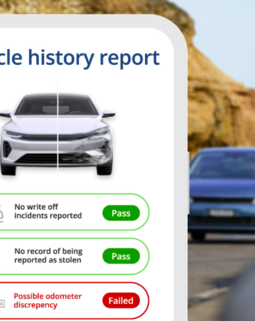
A vehicle history report is like a car’s autobiography. It tells you where it’s been, how it’s been treated, and whether it has any skeletons in the trunk—like accidents or odometer fraud.
Key things to look for:
-
Past accidents or flood damage
-
Number of previous owners
-
Recorded mileage
-
Service and maintenance history
-
Import/export records if it's a Japanese or South African import
Ask the seller for the VIN (Vehicle Identification Number) and verify details using local registries or international tools like Autocheck or Carfax for foreign imports.
3. Inspect Ownership Documents Thoroughly
In Zambia, verifying car ownership is a critical step. Always request the White Book (Motor Vehicle Registration Card), which proves legal ownership.
Ensure:
-
The seller’s name matches the ID
-
The chassis and engine numbers match the ones on the car
-
There are no unpaid road taxes or outstanding loans (visit the **Road Transport and Safety Agency - **RTSA to confirm)
4. Look for Signs of Accident Damage
Not all accidents are reported—so your eyes become the first line of defense. Look for:
-
Uneven paint or mismatched panels
-
Rust under doors or wheel wells
-
Gaps between body panels
-
New welds in the engine bay or trunk
-
Uneven tire wear (might suggest alignment issues)
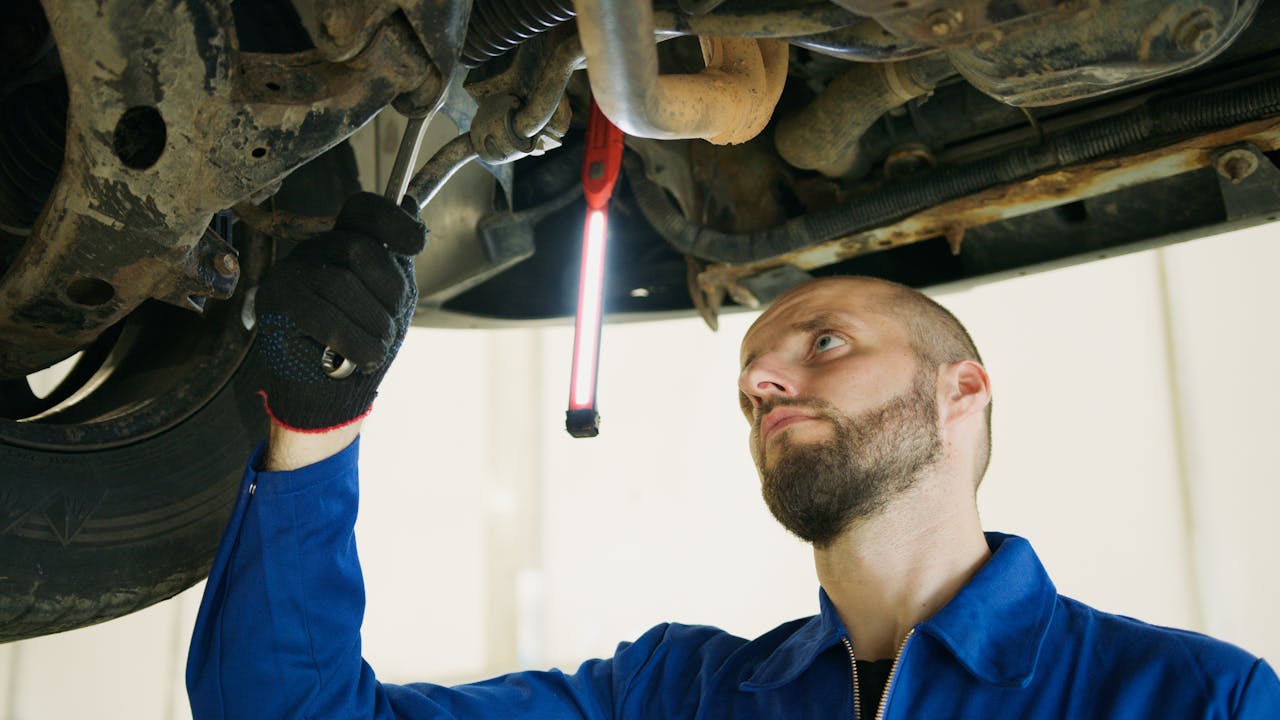
Bring along a trusted mechanic or car expert from caryandi.com's mechanic partners to conduct a visual and diagnostic check.
5. Check Engine and Transmission Health
The heart of the car lies under the hood. Watch out for:
-
Engine oil condition: Brown or black is fine, but milky means water has mixed with oil. That’s a red flag.
-
Transmission fluid: Should be red or pinkish—not burnt smelling or dark.
-
Cold start behavior: Does it start smoothly after sitting overnight?
-
Check Engine Light: If it’s on, ask for a diagnostic scan.
If you’re not sure, get a pre-purchase inspection at a local garage like Toyota Zambia Service Centres or other certified shops.
6. Confirm the Chassis and Engine Numbers
These are the vehicle’s ID numbers, and tampering here is a serious red flag.
You’ll typically find them:
-
Stamped on a metal plate near the engine
-
On the dashboard near the windshield
-
In the White Book registration card
Cross-reference them with RTSA databases or verify at RTSA Service Portal.
7. Check for Stolen Vehicles
Unfortunately, stolen cars make their way into the market.
To avoid buying a hot car:
-
Cross-check VIN and engine numbers at Zambia Police Service - Criminal Investigations Department
-
Request a clearance certificate if possible
-
Avoid deals that seem too good to be true—trust your gut
8. Evaluate the Car’s Mileage
Mileage alone doesn’t tell the whole story—but it’s a good indicator of usage.
-
Under 100,000 km: Ideal range for lightly used vehicles
-
Over 200,000 km: Expect more wear and potential repairs
-
Watch for suspiciously low mileage on older models—it could be rolled back
9. Check the Service and Maintenance Records
A well-maintained car runs longer and costs less to repair.
Look for:
-
Regular oil change intervals
-
Timing belt replacement
-
Suspension or brake work
-
Logbook stamps from authorized service centers
Cars maintained at reputable centers like CFAO Motors Zambia usually have better resale value.
10. Assess the Interior and Comfort Features
Inspect everything inside:
-
Seat condition and smell (mold = flood damage)
-
Functioning dashboard lights
-
Working AC, radio, wipers, power windows
-
Warning lights off
-
Seatbelt tensioners and airbags intact
11. Evaluate Tire Condition and Suspension
Take a look at:
-
Tire tread depth: Bald tires mean added replacement costs
-
Even wear: Uneven patterns = suspension or alignment issues
-
Suspension test: Push down on each corner of the car. If it bounces more than once, the shocks may be worn.
12. Take a Comprehensive Test Drive
Test it on different road types—gravel, tarmac, inclines.
Notice:
-
How it handles at different speeds
-
Brake response
-
Steering feel
-
Gear shift smoothness
-
Any unusual noises
If it pulls to one side or vibrates too much, negotiate repairs—or walk away.
13. Don’t Skip the Emissions and Roadworthiness Test
Zambia has strict roadworthiness requirements. Ensure:
-
You receive a valid Certificate of Fitness (COF)
-
Emissions levels comply with Zambia Environmental Management Agency (ZEMA) regulations
-
The car passes inspection at authorized test centers
14. Negotiate Smart and Compare Prices
Use listings on caryandi.com to compare asking prices across similar models. Use this data as leverage in negotiations.
Pro tips:
-
Start 15–20% below asking price
-
Mention any defects or repairs needed
-
Be ready to walk away
15. Understand the Costs Beyond Purchase Price
Buying a used car involves more than just the sticker price.
Budget for:
-
Transfer fees at RTSA
-
New insurance policy (required by law)
-
Road tax and carbon tax
-
Immediate service (oil, fluids, filters)
-
Registration and number plate costs
16. Consider Vehicle Financing and Payment Safety
Avoid cash handovers unless absolutely necessary. Safer options include:
-
Bank transfers with proof
-
Vehicle financing via local institutions like Stanbic Bank Zambia or FNB Zambia
-
Using escrow services when dealing with high-value purchases
17. Finalize the Ownership Transfer Legally
To legally own the car:
-
Seller and buyer visit RTSA
-
Fill out Form RVT (Road Vehicle Transfer)
-
Pay the transfer fee
-
Receive updated White Book in your name
Check out the detailed vehicle registration and transfer guide from RTSA.
Conclusion
Buying a used car in Zambia doesn’t have to be a gamble. Armed with the right knowledge and a clear checklist, you can land a reliable vehicle that meets your needs and fits your budget. Always trust your instincts, do the homework, and consult with experts when needed.
And hey—don’t rush. The right car is out there waiting for you!
FAQs
1. What is the best website to buy used cars in Zambia?
www.caryandi.com is a reliable platform offering hundreds of used car listings with verified sellers and valuable buying tips.
2. Can I import a used car from Japan or South Africa to Zambia?
Yes, but you must ensure it meets ZRA and RTSA regulations, pay all applicable duties, and have all paperwork in order.
3. What documents are needed to transfer vehicle ownership in Zambia?
You need the White Book, a signed sale agreement, national IDs of both parties, and the completed Form RVT.
4. Should I buy from a private seller or dealership?
Dealerships offer more buyer protection but may charge higher prices. Private sellers are cheaper, but due diligence is a must.
5. Is it legal to drive a car in Zambia before ownership transfer is complete?
Technically, no. You should not drive the vehicle until it’s officially registered in your name and fully insured.